



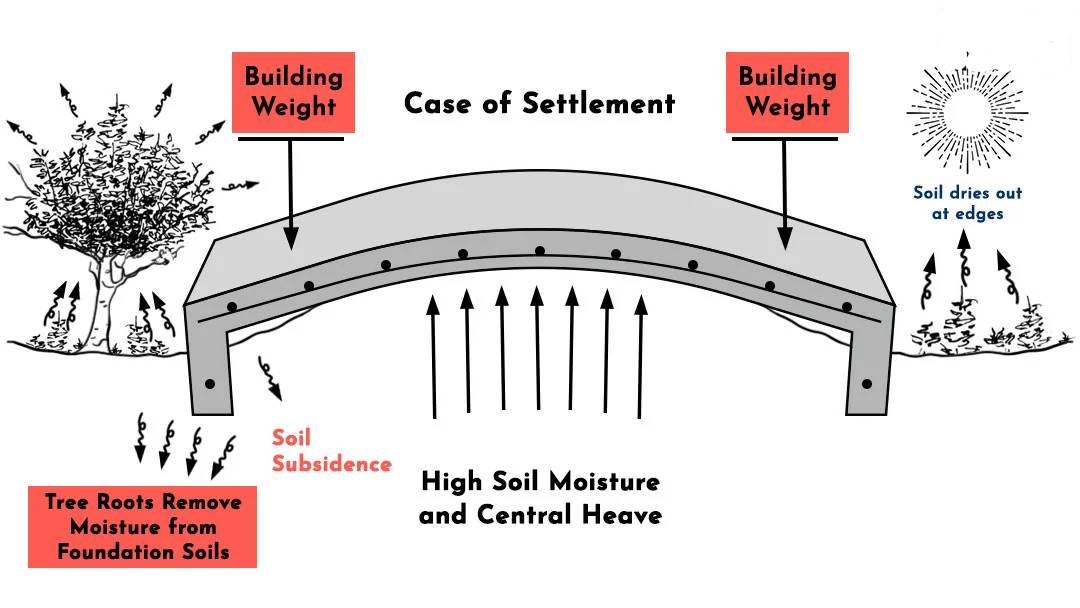
Understanding Soil Types and Their Impact on Below-Grade Waterproofing. At Baleh Consulting, we understand the language of Design Engineers and Architects and work closely with them.
Read More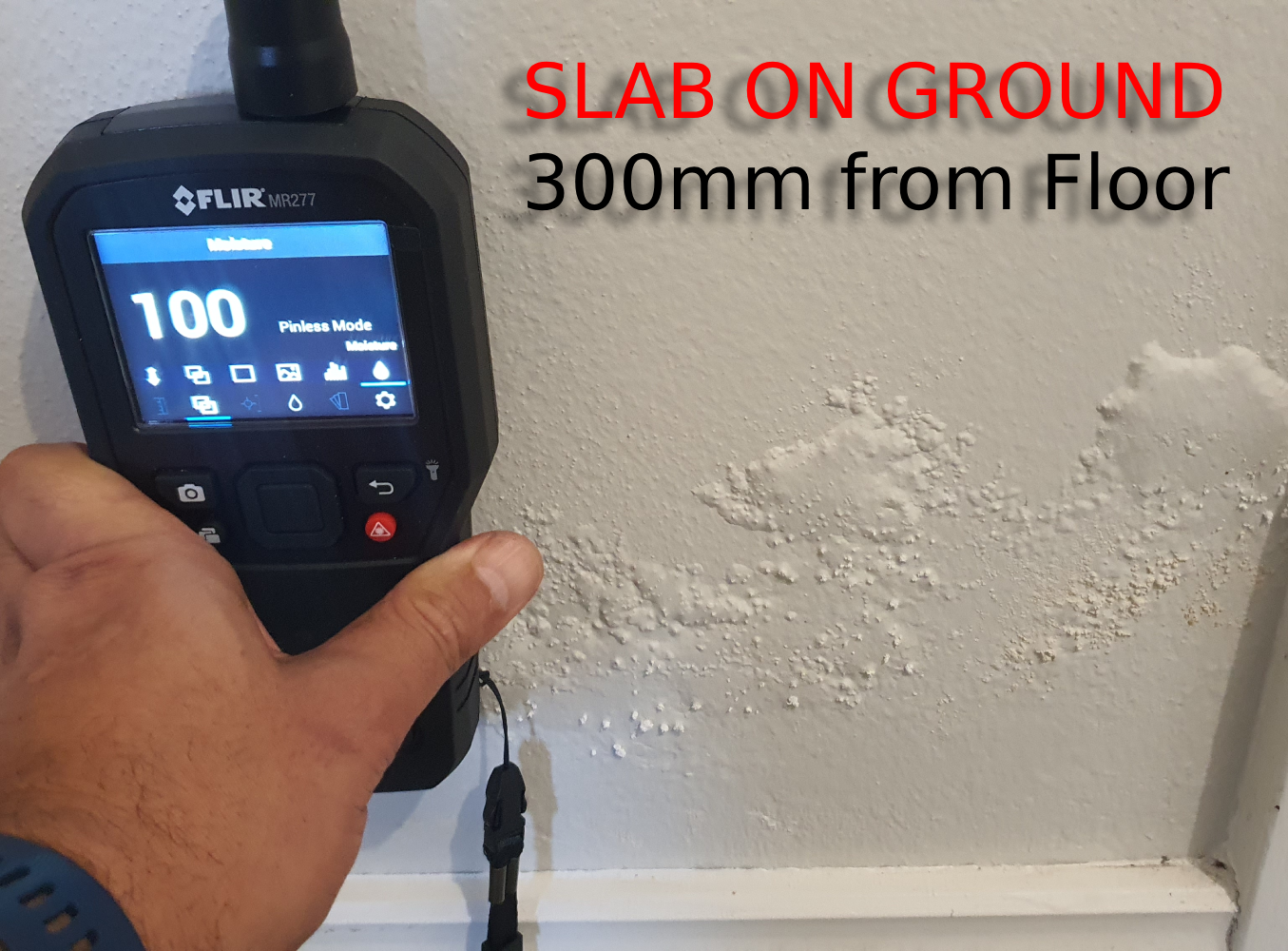
A Quick Guide to Common Problems. Are you dealing with internal condensation, rising dampnss, penetrating dampness, or water ingress?
Read More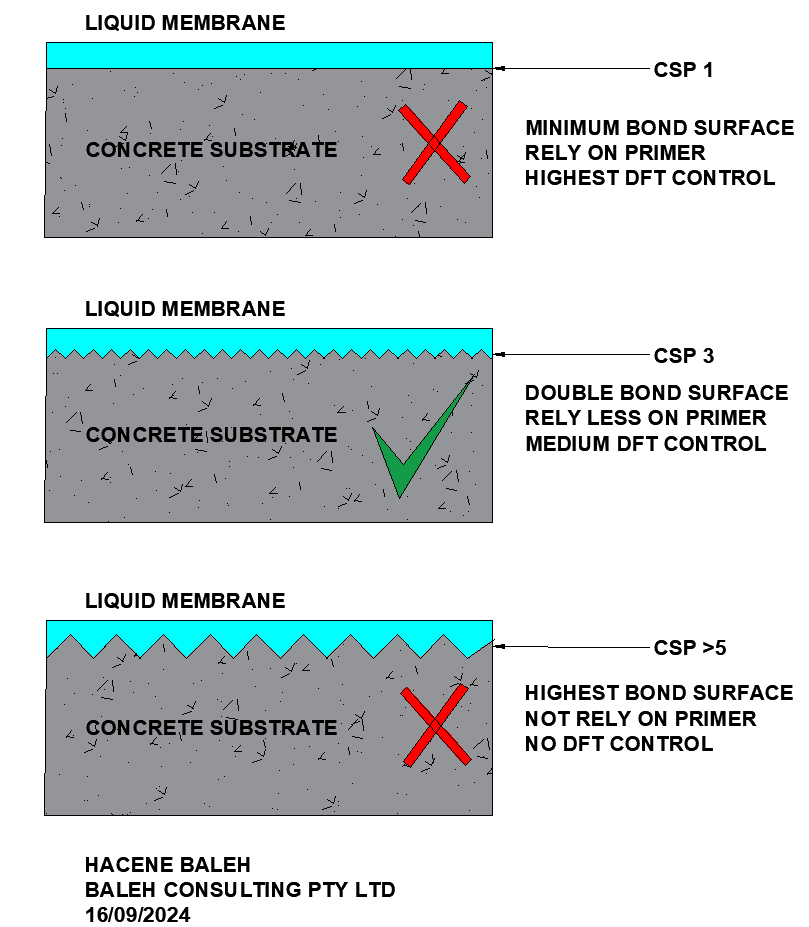
Concrete Surface Profile CSP and Liquid Membrane Installation cannot be treated separately but form a single system. Every tested and compliant…
Read More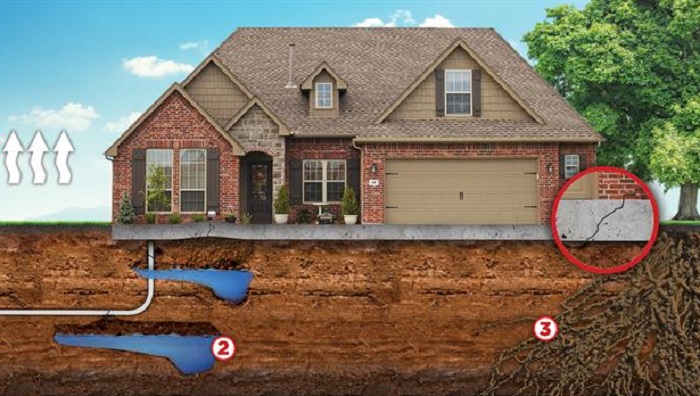
Beneath every slab on ground and against every retaining wall lies a hidden threat: clay and silt.Many believe that a low water table is …
Read More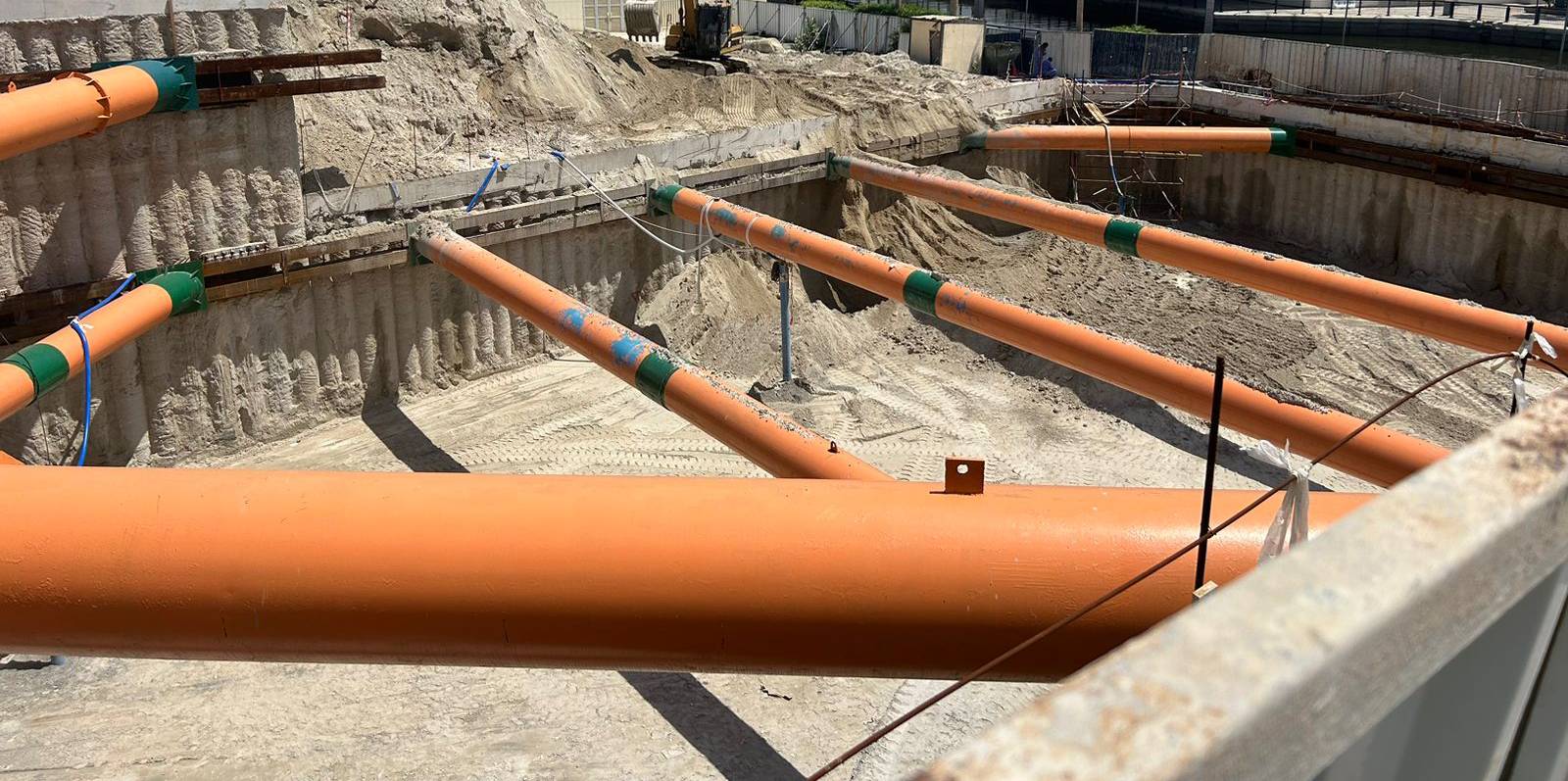
Below Ground waterproofing is a specialised area. In this article, we highlight basement waterproofing design tips you need to consider
Read More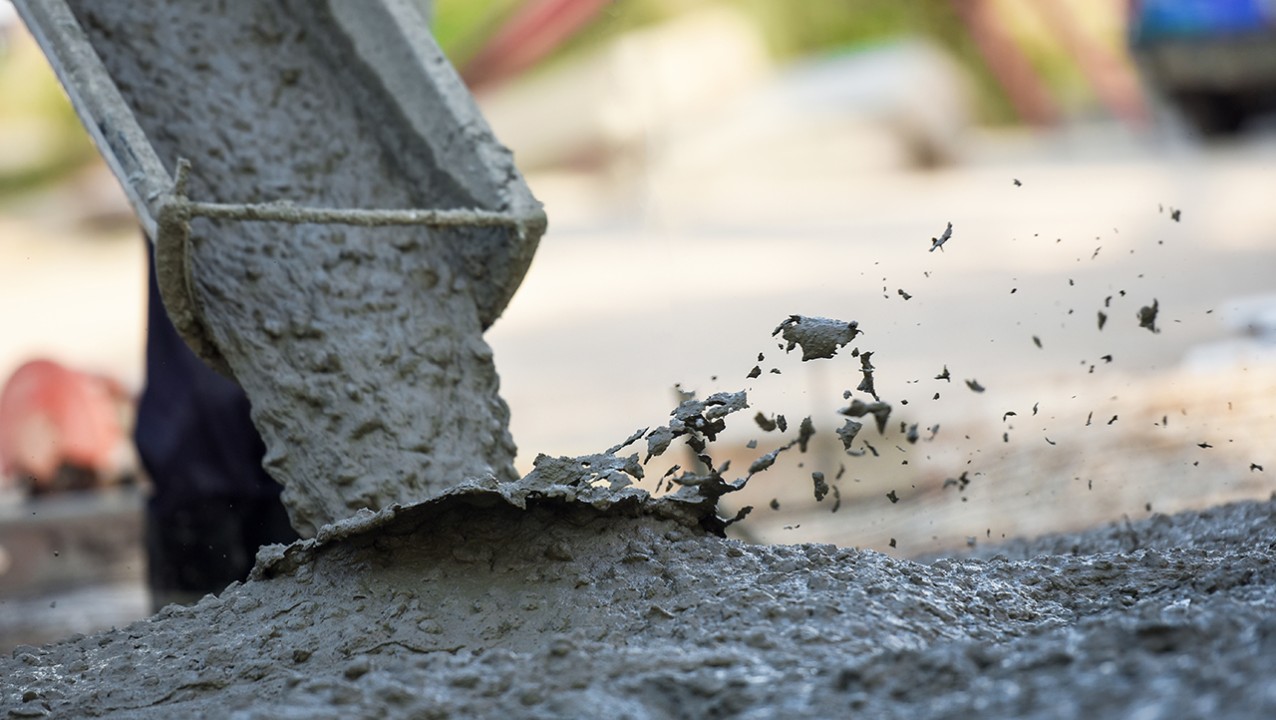
When pouring concrete in dry and hot weather, precautions are needed to prevent rapid, and early drying of the concrete surface.
Read More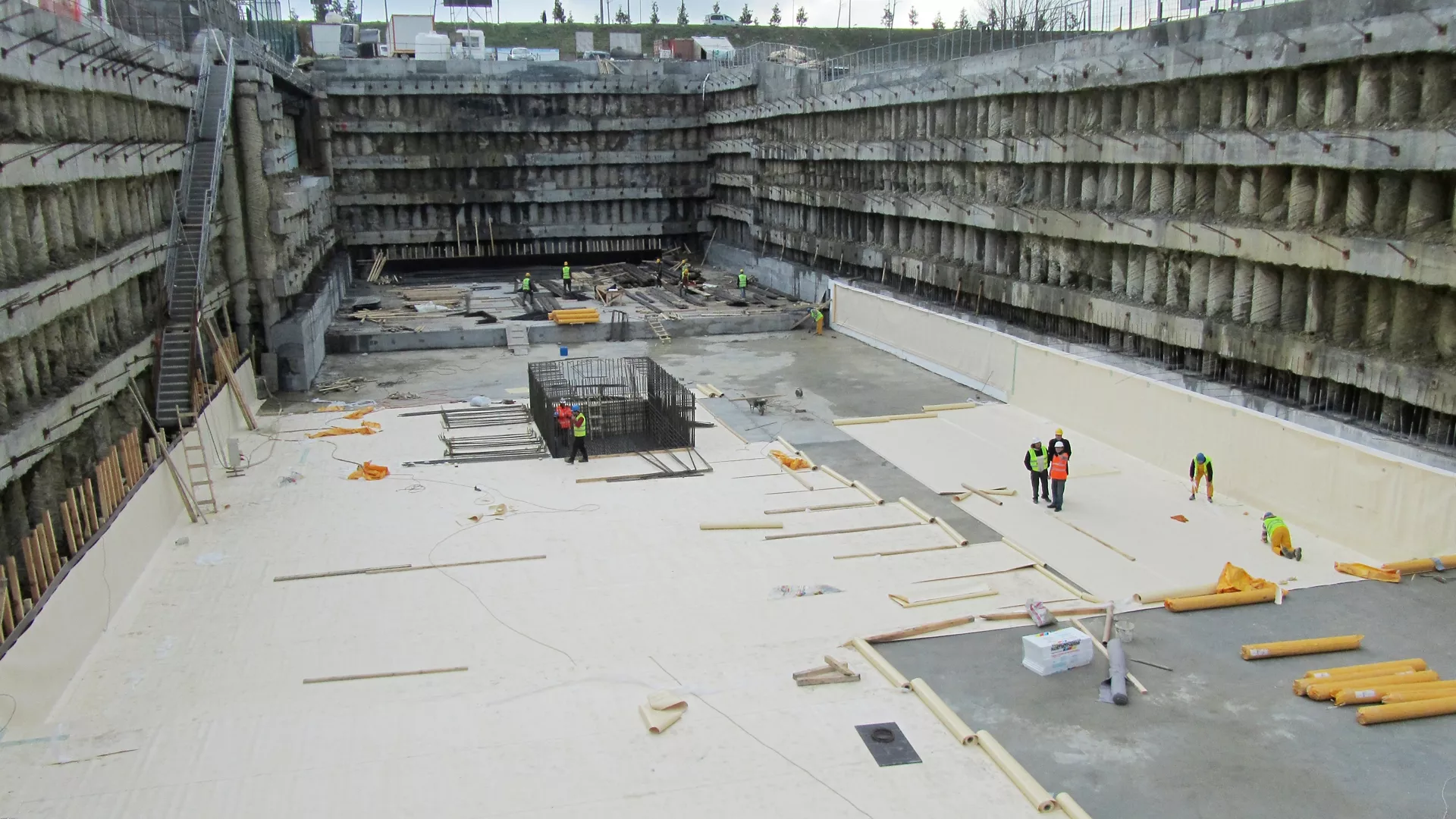
The best Waterproofing system is the one that lasts the longest, designed by someone who understands various facets of construction and not just waterproofing.
Read More
In this article, we will discuss the proper repair method for Concrete Cancer, known to cause cracking, bulging, delamination, spalling, and structural failure if not repaired at first signs.
Read More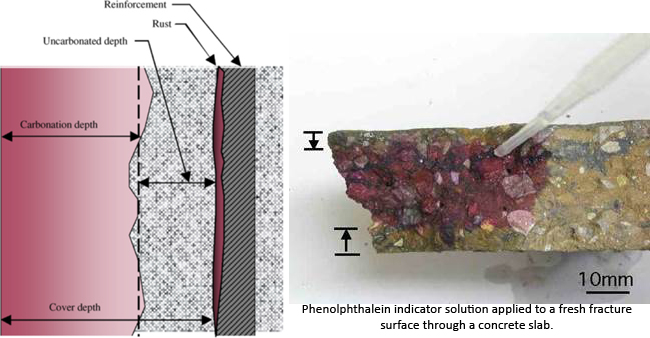
Carbon dioxide enters concrete through the pores, cracks, and capillaries along with oxygen as gases. If moisture is present in the concrete, the environment then becomes ideal for the reactions to occur
Read MoreOur Testimonials

Crownview Projects engaged Hacene / Baleh Consulting to provide expert waterproofing advice for a habitable underground section of our project, and their technical assistance was invaluable. Hacene worked with consultants, manufacturers, subcontractors and our team providing in-depth knowledge of waterproofing systems and construction methodologies. This helped us navigate complex design challenges and ensure a robust, long-term solution.
Thank you very much Hacene for giving our students an excellent industry-focused lecture. I very much appreciate your help. Cheers, Muhammad

Hacene Baleh was a colleague of mine. Hacene showed exceptional technical expertise and always portrayed himself professionally at all levels. His ability to undertake complex tasks & offer a solution to clients was always of the highest of quality. His ability to mentor the team technically has to be commended. His knowledge surrounding concrete & waterproofing is of industry standards and beyond. Hacene also portrayed his main core values,, integrity, trustworthy, resilient & analytical. He is a valuable asset to society.

Hacene has been great to work with and would be an asset to any business. His wealth of engineering knowledge, project managemet attributes and emotional intelligence was key to his professional success and great customer focus. Im assured that he would succeed in any role he desiresd and I loook forward to working with him on future projects...

I have known Hacene for almost 10 years. We previously worked together and continue to keep in touch to work on industry leading solutions. Hacene is an astute professional with a wealth of construction knowledge - particularly in the areas of concrete construction, waterproofing, project management and process optimisation. He is passionate about what he does and thinks outside of the box to develop practical solutions. In addition, Hacene has great business acumen and is always willing to wear multiple hats to get the job done. I would have no hesitation in recommending Hacene for future opportunities.
Hacene's wealth of knowledge is fantastic, and he has always been extremely helpful in recommending project-appropriate responses, specifications, and solutions to overcome the challenges. I've also attended numerous seminars/webinars that he's presented, which have been extremely informative and educational - addressing not just the product range he oversees, but also covering the physical and technical behaviour of concrete, and structures in general.

I am always impressed by his technical knowledge and his didactical skills to share it. He is very gentle and precise in his communication. He has a broad view on the projects and a lot of experience. Therefore he can propose the best solutions and also defend them in each detail. It is a pleasure to work with him.
Hacene is a one of kind individual, very passionate, driven, detailed and widely knowledgeable on many fronts. His technical knowledge and understanding of waterproofing and Strucutres is a must to be exposed to by all and i highly recommend you take the opportunity to invite him for a workshop, your guaranteed to upskill no matter your level of experience and knowledge.
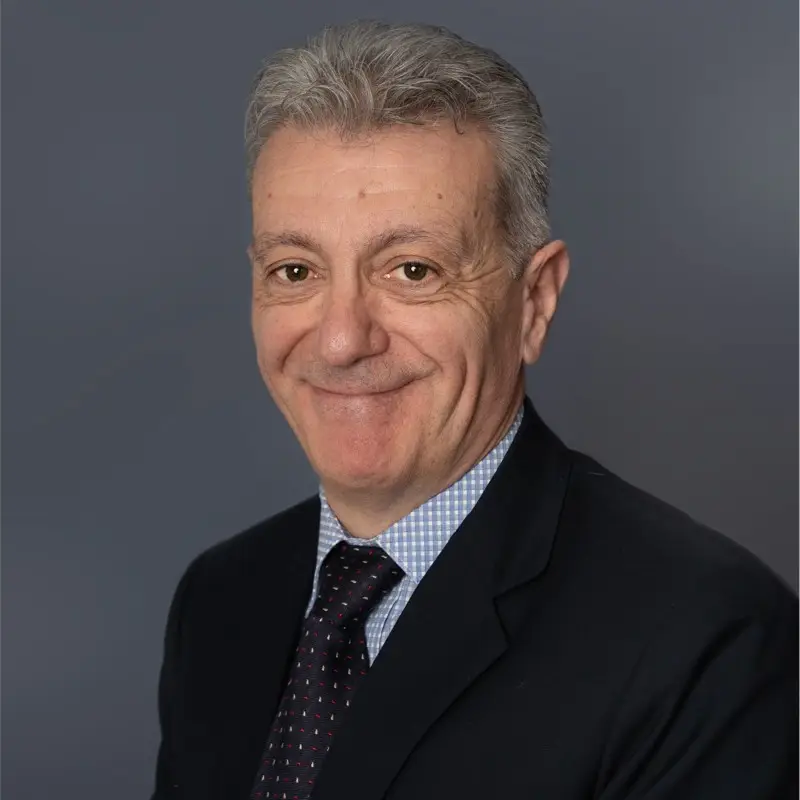
There are many superlatives to describe Hacene, commitment to his works and approach to business, Hacene is an expert in his field but also with people training, with a great business mind, with Hacene there is always a solution. Hacene has always made him self available to support the team when in need, I would without any doubts recommend Hacene!

I've had the pleasure of working closely with Hacene, and it has been a positive experience. His dedication to finding solutions and delivering excellent results is commendable. Hacene is professional, easy to collaborate with, and maintains a positive attitude even during challenging times. Based on my experience working with him, I confidently recommend Hacene for his reliability, expertise, and commitment to achieving success. I believe Baleh Consulting, under his leadership, will reflect these same qualities and set a high standard in the industry.