


Radon Gas in Buildings: An Overlooked Consideration for Basement Design
When designing below-ground structures, most engineers focus on groundwater, hydrostatic pressure, waterproofing membranes, and drainage. However, another factor that deserves consideration is radon, a naturally occurring radioactive ground gas.
What is Radon?

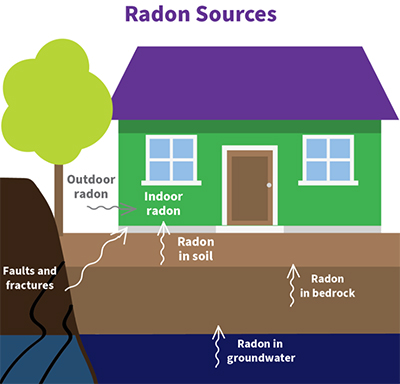
According to the Australian Radiation Protection and Nuclear Safety Agency (ARPANSA), radon is a colourless, odourless, and tasteless radioactive gas produced by the natural decay of radium in rocks and soil. Because it is chemically inert, it can migrate through the ground and enter buildings through cracks, joints, service penetrations, drains, and other openings.
While outdoor radon concentrations are very low, enclosed buildings, particularly basements, can trap the gas, allowing it to accumulate over time.
Reference: ARPANSA – www.arpansa.gov.au
Is Radon a Concern in Australia?
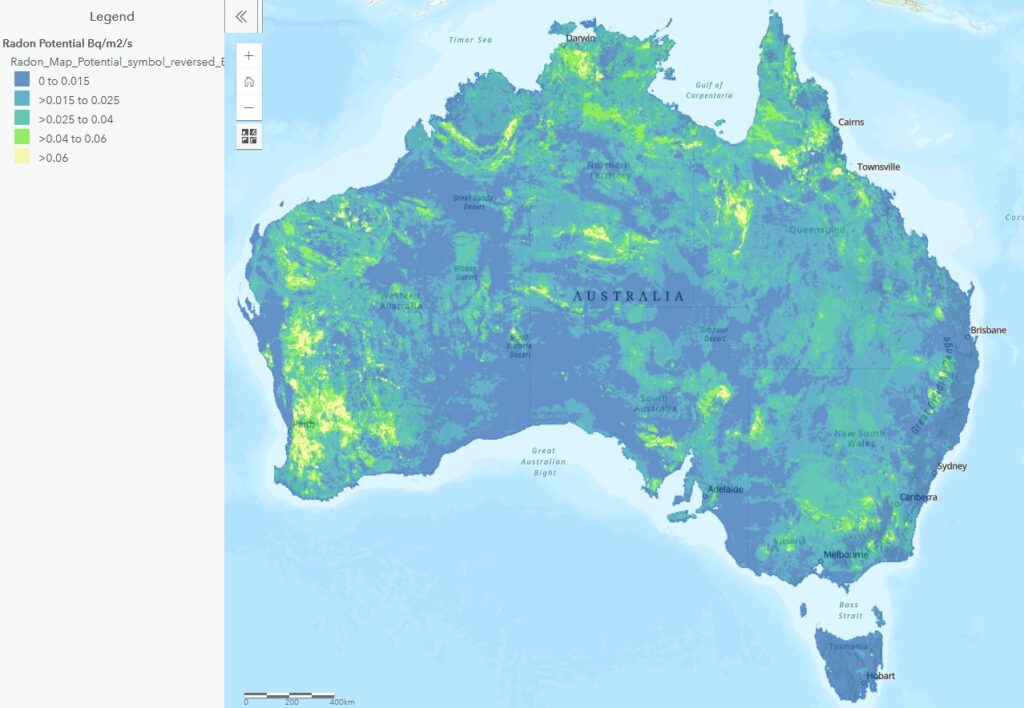
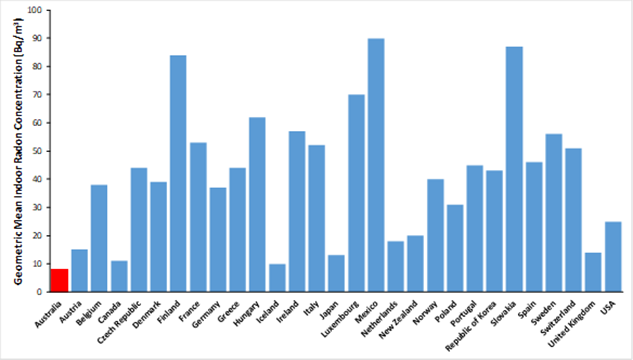
Australia has one of the lowest average indoor radon levels in the world, with ARPANSA reporting an average of approximately 10 Bq/m³, well below the recommended action level of 200 Bq/m³ adopted by both ARPANSA and the World Health Organization (WHO).
However, ARPANSA also notes that radon levels vary depending on local geology, building construction, and ventilation. Elevated concentrations can occur in basements, poorly ventilated underground spaces, and some residential buildings.
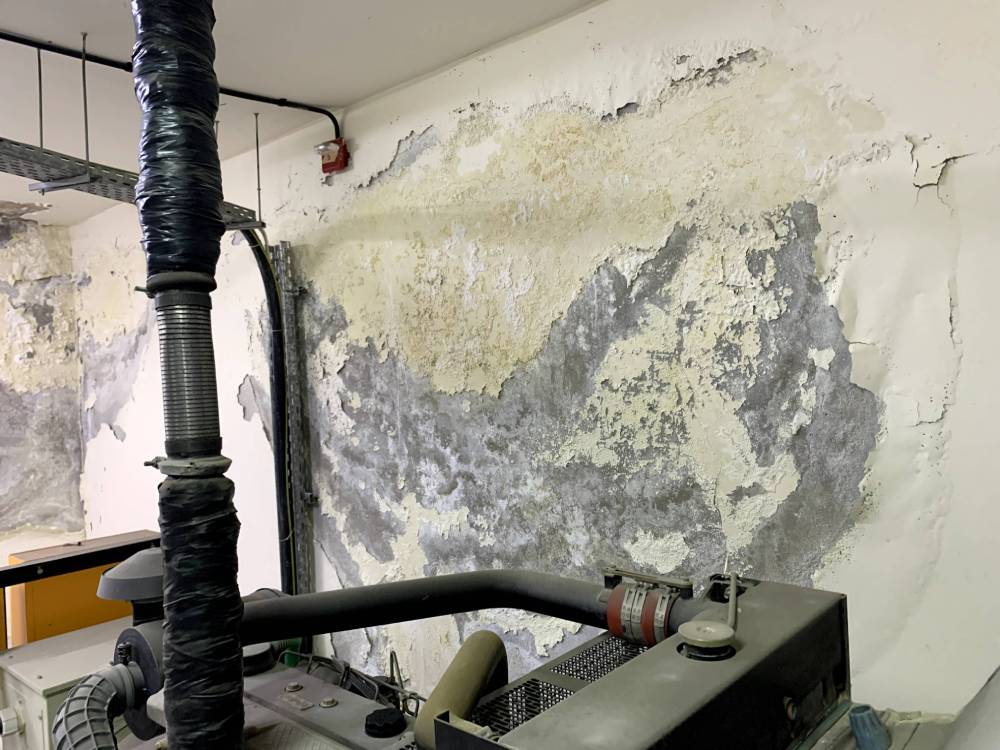
Why Does Radon Accumulate in Basements?
Chemically, radon is a noble gas with an atomic mass of 222 atomic mass units (AMU). Because ambient air has an average molecular weight of approximately 29 AMU, pure radon gas is roughly 7.5 times heavier than air, meaning it naturally tends to collect in the lowest parts of a building when ventilation is limited (Basements).
It typically enters through:
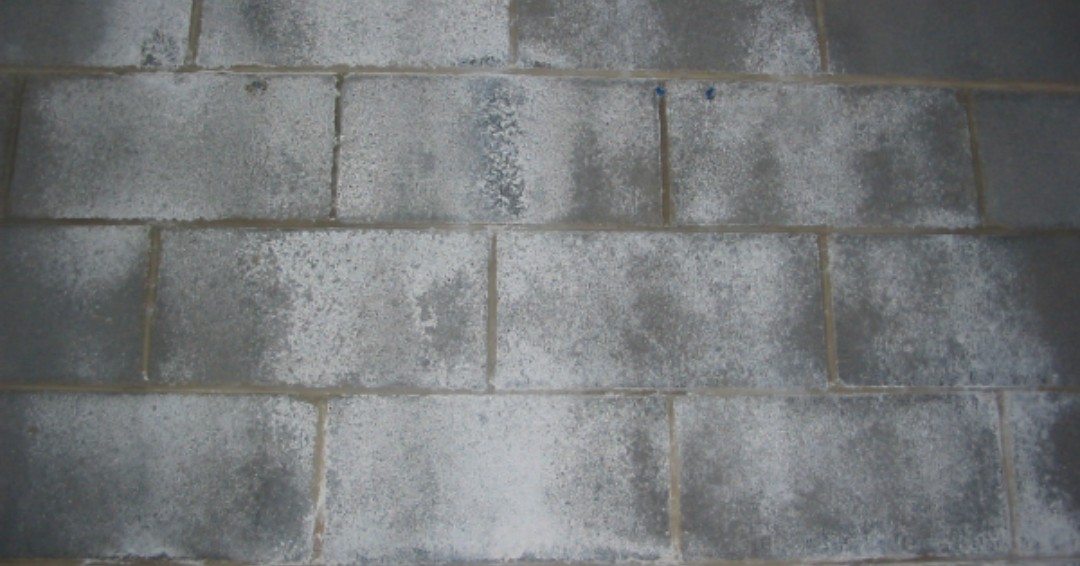
- Concrete cracks and construction joints.
- Pipe and service penetrations.
- Floor drains and sump pits.
- Honeycombed concrete.
- Groundwater seepage.
The Stack Effect can also draw radon into a basement as warm air escaping through the upper levels of a building creates slight negative pressure at lower levels, which sucks gases and water vapour through the external walls, if not properly addressed.
Why It Matters for Waterproofing Design
Modern below-ground design is about more than stopping water. It should also consider groundwater, moisture, water vapour, and, where relevant, ground gases.
A well-designed basement combines:
- Appropriate site investigation.
- Effective drainage.
- Durable, low-permeability concrete.
- Proper structural detailing.
- Proper attention to chemicals and gases in soil and water.
- Waterproofing systems.
- Adequate ventilation.
These measures not only improve waterproofing performance but can also help reduce the accumulation of ground gases such as radon. Other gases will be addressed separately (methane, carbon dioxide, sulfuric gas, etc).
Health Considerations
Research published by the United Nations Scientific Committee on the Effects of Atomic Radiation (UNSCEAR) has demonstrated a measurable increase in lung cancer risk from long-term exposure to elevated indoor radon concentrations. These findings prompted the WHO and other authorities to review recommended indoor radon limits.
Although Australia’s overall risk remains low, ARPANSA recommends remedial action where annual average indoor concentrations exceed 200 Bq/m³.
Conclusion
For most Australian projects, radon is unlikely to present a significant risk. However, below-ground structures should always be designed with a thorough understanding of the site’s geology, groundwater conditions, drainage, ventilation, and potential ground gases.
As with waterproofing, the best approach is preventative: Design the building so water, moisture, and ground gases are managed before they become a problem.
References
- Australian Radiation Protection and Nuclear Safety Agency (ARPANSA): www.arpansa.gov.au
- ABC News (22 July 2009), reporting findings from the United Nations Scientific Committee on the Effects of Atomic Radiation (UNSCEAR): www.abc.net.au
- World Health Organization (WHO) – WHO Handbook on Indoor Radon
- BS 8102.2022
Written by Hacène Baleh
14 July 2026