


1. Why Below-Ground Structures on Sand Still Leak
One of the most common and costly misconceptions in construction is the belief that below-ground structures built on sandy soil do not require robust waterproofing because “sand drains water away.”
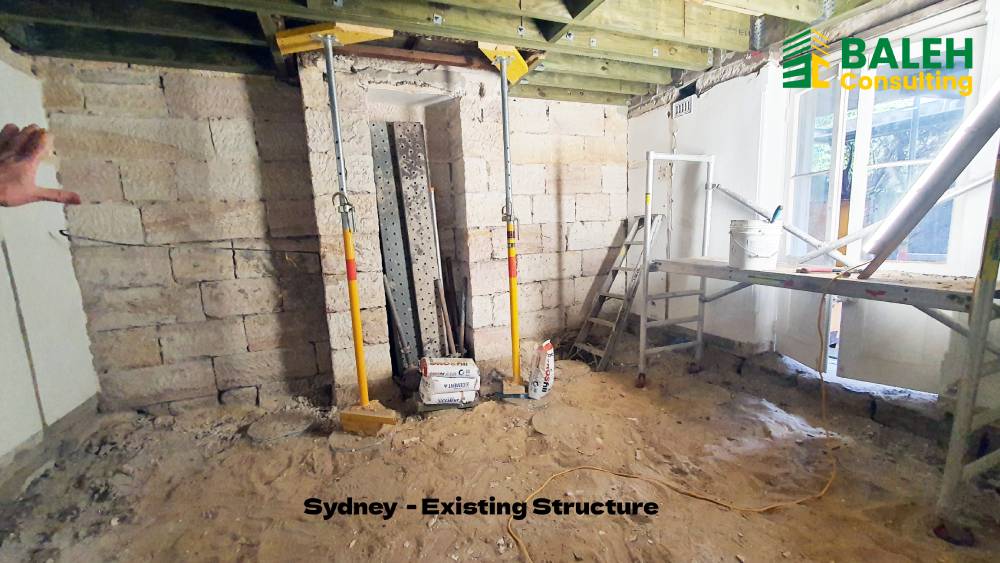
At Baleh Consulting, we have designed waterproofing and drainage systems for numerous new and remedial projects built on sandy ground conditions. Almost every time, the same comment comes back:
“There is no water problem here — it’s all sand.”
While sandy soils are generally more permeable than clay, this does not mean the structure will remain dry over its lifespan.
2. The Overlooked Problem: Siltation & Clogging
Water moving through sandy soils often carries fine particles such as silt and clay. Over time, these fines can accumulate within the soil and drainage systems through Clogging, Siltation, and Blinding
This process can progressively reduce permeability and cause water build-up around the structure, increasing hydrostatic pressure over time.
What appears “free-draining” today may not remain that way decades later. Therefore, designers ought to design to address the risk for decades later.
3. Clogging, Bridging & Settling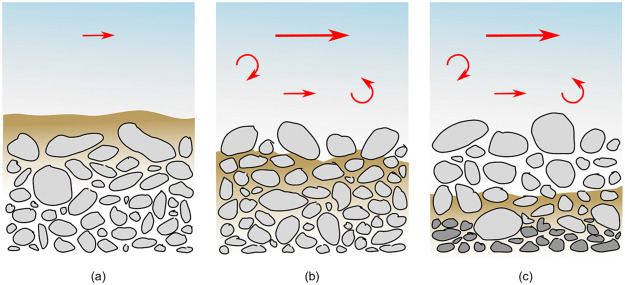

3.1 Clogging => When inside (b)
Drainage pipes, aggregates, and geofabrics can become blocked over time by sediment and debris.
3.2 Bridging => Blinding if on top (a)
Fine particles and poorly graded materials can create localised blockages that trap water against the structure.
3.3 Settling => Siltation
Sandy backfill can settle due to water migration, poor compaction, or washout of fines, potentially damaging drainage systems and stressing waterproofing systems.
(b) Inner/subsurface clogging, in the subsurface of the water stream
(c) Unimpeded static percolation, deeper into the water stream
4. Designing for the Future — Not Just Today
Designs must not be prepared based only on the conditions observed during excavation or at the time of construction. Sandy soils can easily mislead waterproofing designers, builders, structural engineers, and developers when attempting to control water ingress for the design life of the structure.
Designers must assess:
- Long-term groundwater risks;
- Future changes in site conditions;
- Drainage deterioration over time;
- Structural movement and cracking;
- Durability and accessibility for future repairs.
Because successful waterproofing design is not about predicting today’s weather, it is about anticipating what may occur decades later.
5. Final Thought
Sandy soil is not a waterproofing strategy.
Ground conditions evolve, drainage systems age, and water always finds the weakest path. Proper below-ground waterproofing should be based on long-term performance, risk mitigation, and durability, not assumptions made during excavation.
It is also imperative to design a multi-layered system with Plan A, Plan B, and possibly Plan C in place, as basements and below-ground structures offer one shot due to inaccessibility once concrete is poured and the perimeters are back-filled.
If you are building near the ocean, rivers, estuaries, or alluvial areas, it is highly likely that the structure will be founded on sandy soils. However, if the geotechnical report identifies additional layers such as silt, clay, silty clay, or clayey silt, the risk becomes significantly greater. These lower-permeability layers can trap and retain water, leading to the formation of perched or false groundwater tables, sometimes occurring sporadically due to rainfall, tidal influence, or seasonal groundwater fluctuations.
6. Frequently Asked Questions (FAQ)
Q: Can a basement leak even if it’s built on sandy soil?
A: Yes. Sandy soils generally drain well, but over time drainage systems can clog, groundwater conditions can change, silt can buildup on sand, and hydrostatic pressure can develop, leading to water ingress.
Q: Why do below-ground structures on sand still require waterproofing?
A: Sandy soil is not a waterproofing system. Long-term performance depends on appropriate waterproofing, drainage, detailing, and durability—not on soil type alone.
Q: What causes drainage systems in sandy soils to fail?
A: Fine particles such as silt and clay can gradually clog drainage aggregates, sand matrix porosity, geotextiles, and pipes, reducing drainage capacity and allowing water to build up around the structure.
Q: What is the best waterproofing strategy for a basement on sandy soil?
A: A multi-layered waterproofing system that combines waterproofing systems, drainage, and redundancy should be designed based on long-term groundwater risk and the expected service life of the structure—not just the conditions observed during construction.
Q: Is a below-ground waterproofing specialist required for basements in sandy soil?
A: Yes. Sandy soil does not eliminate the risk of water ingress. A below-ground waterproofing specialist assesses the geotechnical and hydrogeological conditions, identifies long-term groundwater risks, and designs a robust waterproofing and drainage system to protect the structure throughout its design life.
Baleh Consulting are specialised in Basement and Below-ground waterproofing and remedial. If you require assistance anywhere in Australia, contact us.
Prepared by Hacène Baleh
View Baleh Consulting page on LinkedIn
28 May 2026