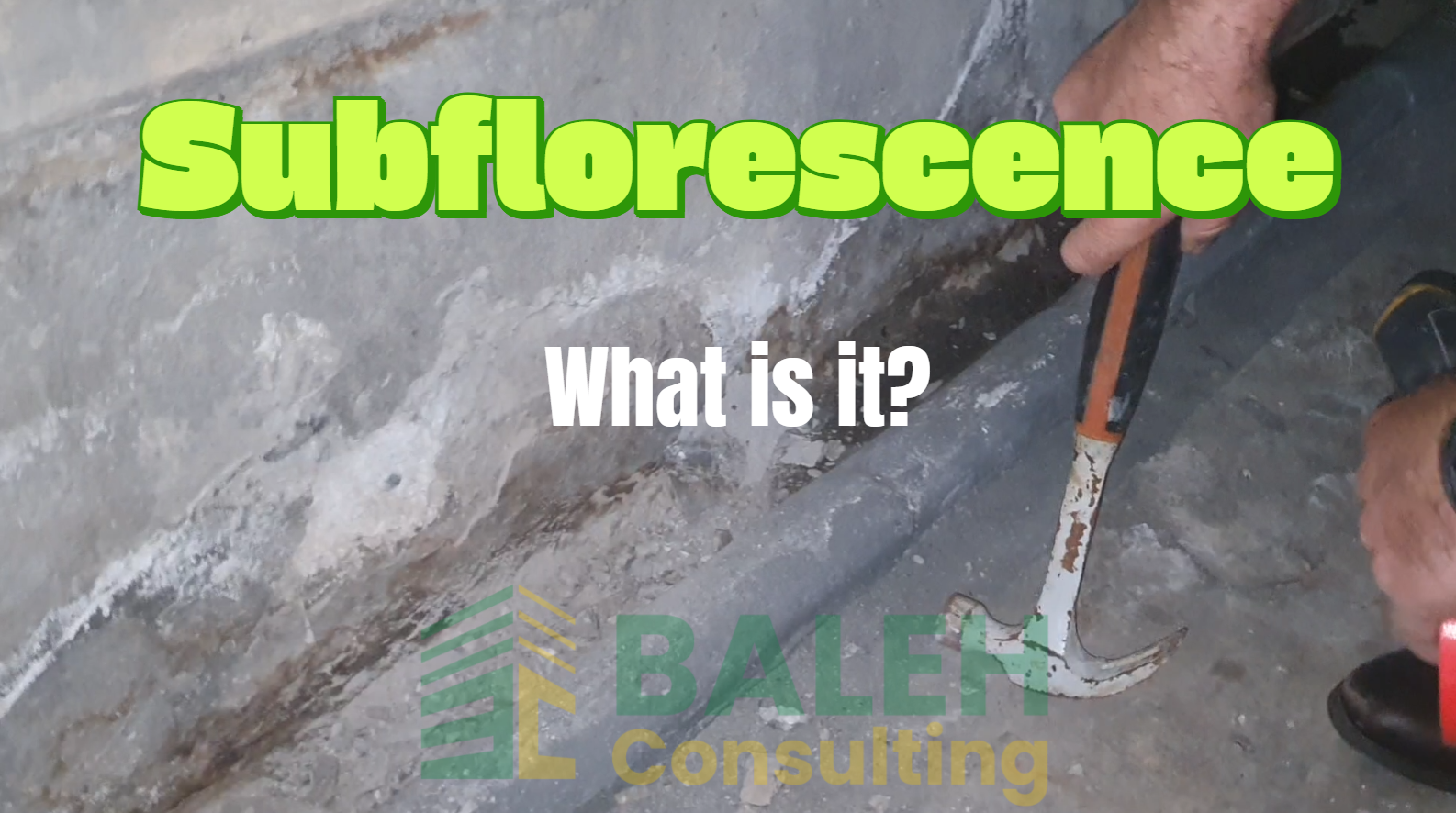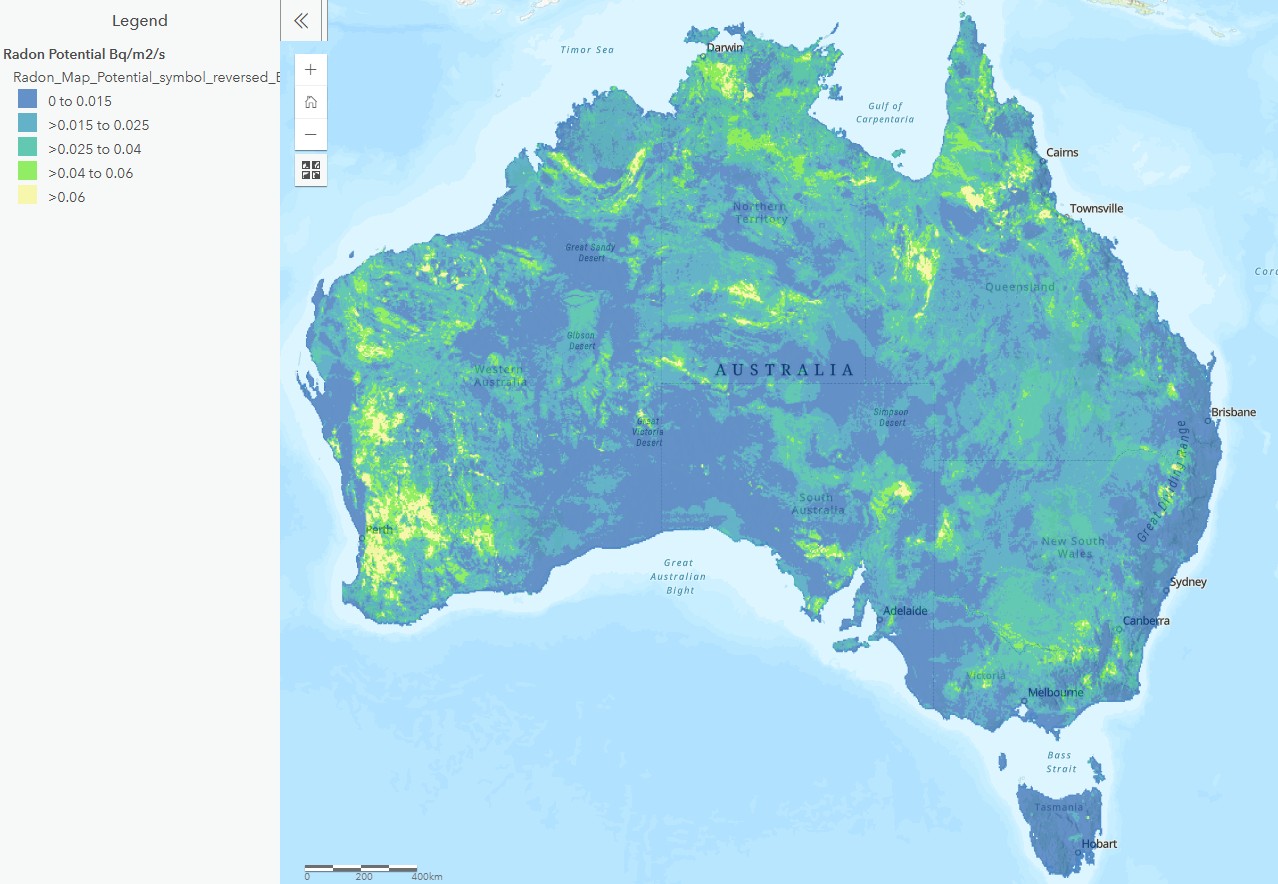



Is this Rising Damp?
Water ingress is often misunderstood. A damp wall or water stain does not necessarily indicate the source of the water, nor does it automatically mean the problem is rising damp. Understanding how and where water moves is the first step towards identifying the real cause.
Water moves. Understanding its dynamics is the key to finding the source.
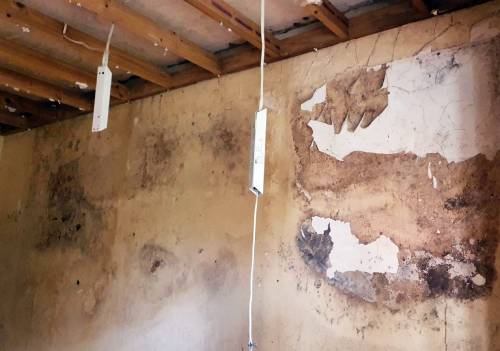
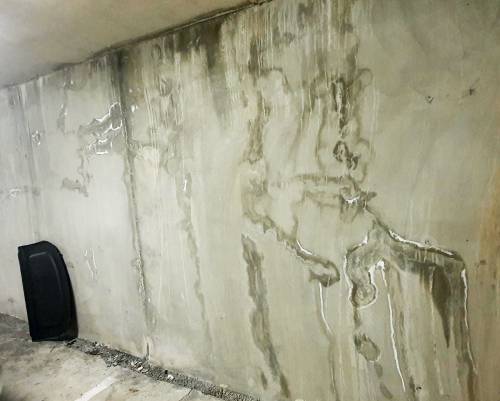
Common causes of moisture ingress include:
- Rising damp – moisture moving upward from a damp substrate through porous materials, generally where a damp-proof course is absent, defective or bridged.
- Capillary moisture through walls – moisture absorbed through masonry or concrete from wet ground, rain, planter boxes or other external sources. Unlike rising damp, the moisture does not necessarily originate from below and travel upward.
- Groundwater – water entering below-ground structures through cracks, joints, penetrations or defective waterproofing, often driven by hydrostatic pressure.
- Roof, gutter and downpipe leaks – water entering from above and travelling through cavities or building materials.
- Poor drainage and falls – ponding water increasing exposure to building surfaces and waterproofing systems.
- Plumbing leaks – concealed pipes, bathrooms and hydraulic services introducing moisture.
- Failed windows, louvres, doors and façade penetrations – water entering through defective seals, joints or interfaces.
- Condensation – moisture from the air condensing on cold surfaces, often associated with high humidity, poor ventilation or thermal bridging.

1. How Do We Tell the Difference?
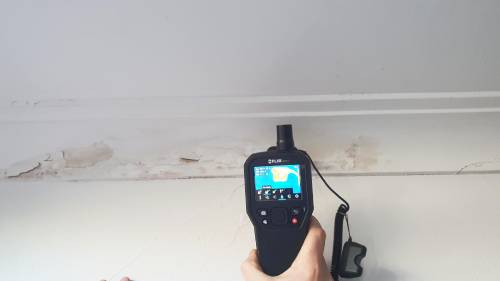
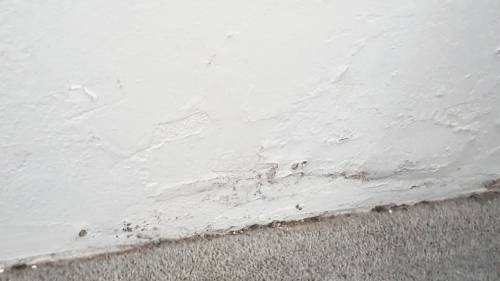
During an investigation, we look at where, when and how the moisture appears. We pay attention to patterns, marks, location, shape, colour, distribution, and sometimes the smell.
For example, how can we distinguish between rising damp, capillary moisture through a wall, and condensation? This is the most misdiagnosed moisture source of them all.
a. Rising damp
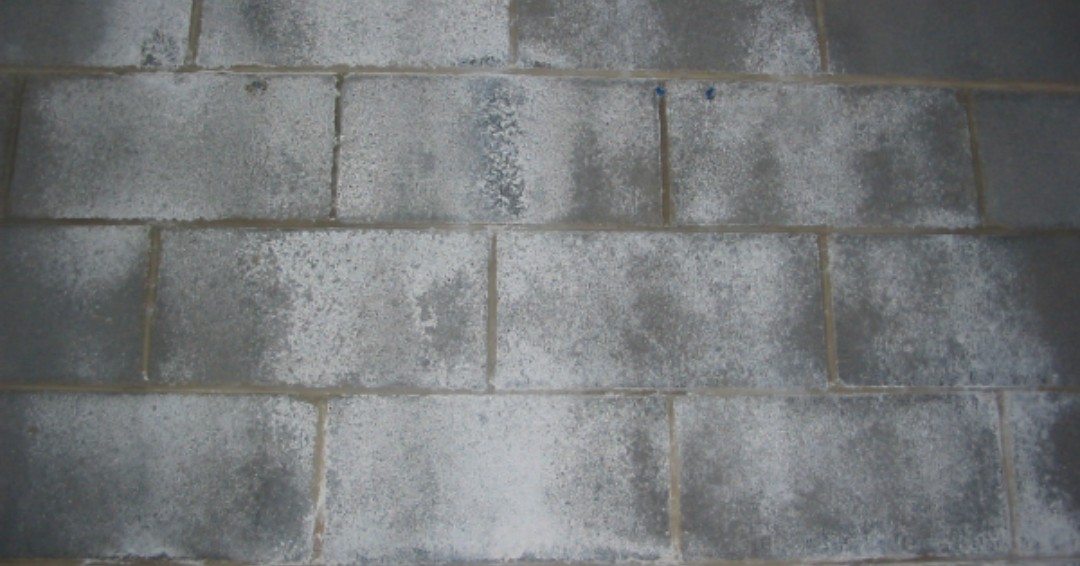
– will generally be associated with moisture originating from a damp substrate and moving upward through porous materials. It is often more pronounced at lower levels, which could travel up to 1.2 m on the walls, and may be accompanied by salt deposits and deterioration of finishes with a defined line above the patch. This can also be verified with a pin moisture meter to compare the reading on the surface and internally.
b. Capillary moisture through a wall
– may occur where an external wall is exposed to wet soil, rain, a planter box, etc. Moisture can be absorbed laterally through the wall rather than necessarily rising from the ground. The salt deposits and finishes deterioration marks have no defined shape and can be sporadic. This can be verified with a pin moisture meter to compare the reading on the surface and internally.
c. Condensation
– has a different mechanism. The moisture originates from water vapour in the air and condenses when it meets a sufficiently cold surface. It is often associated with high humidity, poor ventilation and cold bridges, and may appear on surfaces without any external water source. This can have larger areas, including on furniture. This can be verified with a relative humidity measurement inside and outside and a pin moisture meter to compare the reading on the surface and internally.
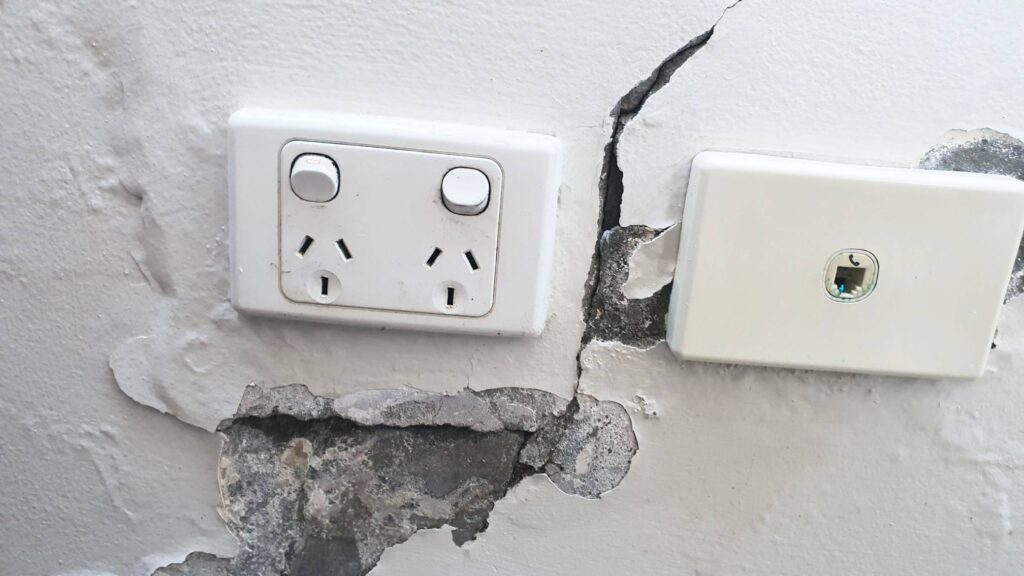
These mechanisms can produce similar-looking symptoms, which is why visual inspection alone is not always sufficient; and a lack of experience can easily lead to misdiagnosis, resulting in unnecessary repairs.
We consider rainfall, groundwater, humidity, temperature, drainage, waterproofing, cracks, joints and the construction of the building. Moisture measurements, thermal imaging, environmental monitoring and targeted investigations may also be used.
The objective is to identify the source, driving force, and pathway.
Because the visible dampness is often only the end of the journey.
Before designing a repair, we first need to understand how the water got there and, wherever possible, address the source.
2. Frequently Asked Questions
a. What are the most common causes of moisture ingress?
Common causes include rising damp, condensation (Generated within), groundwater, leaking roofs and gutters, failed downpipes, poor drainage, plumbing leaks, cracks, construction joints, façade penetrations and defective waterproofing.
b. Is “rising damp” a generic term for moisture ingress?
No. Rising damp should only describe moisture that moves upward from a damp substrate through porous materials by capillary action. Other forms of moisture ingress should be correctly identified by their actual mechanism.
c. How can you tell if dampness is condensation or water ingress?
Condensation is generally associated with high humidity and cold surfaces, while water ingress is more likely to correlate with rainfall, groundwater, drainage or plumbing defects, or a defined water pathway. A proper investigation may be required to distinguish between them.
d. Can water appear far from its source?
Yes. Water can travel through concrete, masonry, cavities, cracks and construction joints before becoming visible. The location of the damp patch may therefore not be the location of the defect.
e. How do you stop moisture ingress?
First identify the source and pathway. The appropriate solution may involve waterproofing, drainage, plumbing repairs, concrete remediation, façade repairs, ventilation or a combination of measures.
f. Can moisture ingress disappear by itself if ignored?
It can sometimes appear to disappear when environmental conditions change, but the underlying problem may remain. Repeated moisture exposure can contribute to deterioration of finishes, corrosion, mould growth and damage to building materials.
g. Who should investigate moisture ingress?
Many consultants and contractors offer moisture investigations. However, ensure the investigation is thorough, evidence-based and supported by sound building science, with clear findings and recommendations that allow you to make an informed decision about remediation, which Baleh Consulting can offer.
3. Key Takeaway
Don’t just treat where the water appears. Find out where it comes from.
Understand the source, driving force and pathway before designing the repair.
Choose competence and experience over initial cost.
Written by Hacène Baleh (Meet Our Director, LinkedIn)
11/08/2026