


Stop Calling Everything “Efflorescence.
Subflorescence is more dangerous than Efflorescence
Walk onto almost any job site or facility inspection, and you will hear people use the term “efflorescence” as a catch-all phrase for any white, powdery residue or surface flaking on masonry.
But misdiagnosing and misinterpresting these two very different phenomena is a costly mistake. One is a minor cosmetic nuisance; the other is a hidden structural threat that actively destroys concrete, brick, stone, and any other masonry material.
Understanding the physics of salt contamination dissolved in the ground is critical to protecting your assets. Here is the breakdown every contractor, engineer, and facility manager needs to know:
⚪ 1. Efflorescence: The Surface Warning
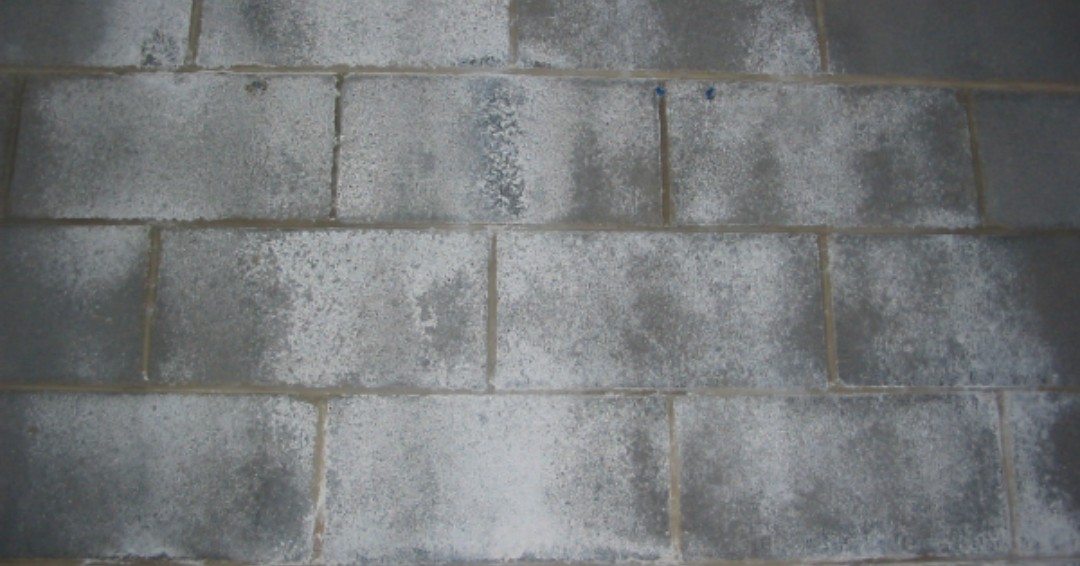
Efflorescence occurs when groundwater carries natural salts in the ground and dissolves salts within concrete or masonry and carries them to the exterior or interior. When the water hits the open air, it evaporates, leaving a harmless, white, chalky mineral deposit on the outer surface.
- The Risk: Zero structural danger to unreinforced concrete and masonry. It is purely an aesthetic issue.
- The Fix: It can easily be dry-brushed, power-washed, or treated with a mild acid cleaner.
🛑 2. Subflorescence: The Internal Destroyer
Subflorescence happens when the evaporation front stops beneath the surface of the material. This typically occurs due to rapid drying conditions, dense materials, or the improper application of non-breathable sealers.
When the water evaporates inside the subsurface pores, the salt crystals grow within the tight confined spaces. This crystalisation process builds immense internal osmotic pressure.
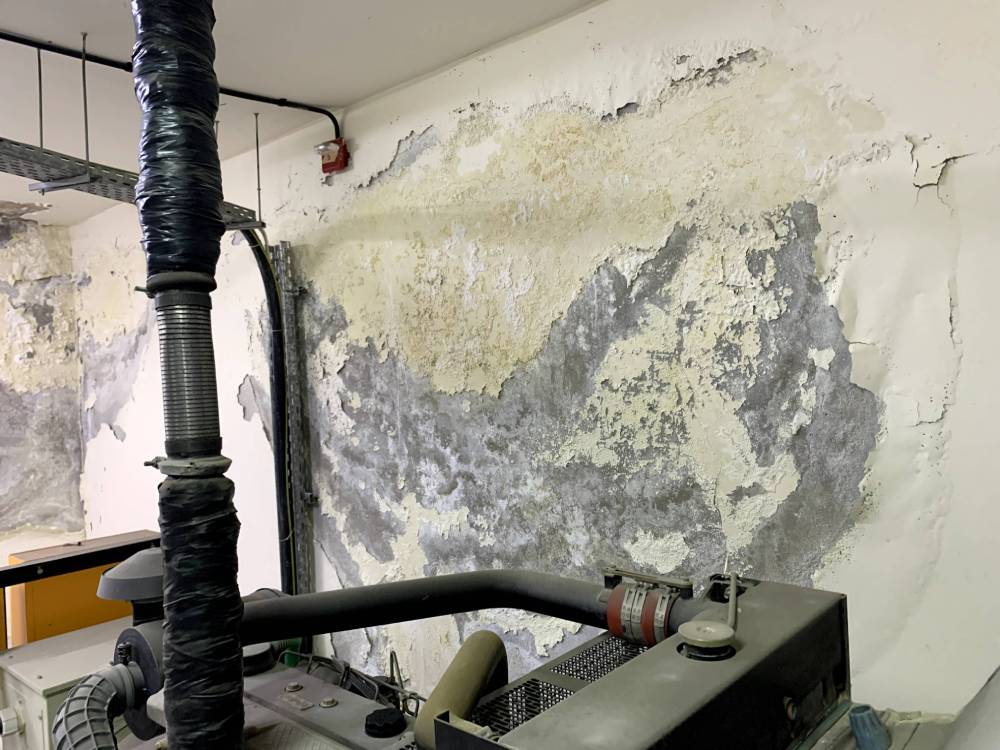
Because this pressure easily overpowers the tensile strength of concrete and brick, it causes spalling. The outer face of the material fractures, shears, and crumbles away from the inside out, with no warning, hence, more dangerous.
- The Risk: Severe. It permanently degrades the structural integrity of foundations, load-bearing walls, and heritage masonry.
- The Fix: Topical patches and waterproof coatings will fail because the internal pressure will just blow them off. You must remediate the root water source and use highly vapour-permeable repair materials.
3. Frequently Asked Questions
Q: Does efflorescence cause concrete or masonry to spall?
A: No. Efflorescence stays on the surface and does not cause spalling. If the face of your concrete or brick is flaking, cracking, or turning to dust, you are dealing with subflorescence instead.
Q: Why is subflorescence considered more dangerous?
A: It is a hidden threat. By the time you visibly notice the damage, subflorescence has already structurally compromised the internal pore network of the material.
Q: How do you treat subflorescence spalling?
A: First, redirect the water source (fix gutters, grading, or drainage). Second, ensure the wall can “breathe.” Use vapour-permeable coatings and/or membranes on the negative side if you must apply them to allow internal moisture to escape as vapour before it can crystalise within the wall.
Q. Who should investigate moisture ingress?
A: Many consultants and contractors offer moisture investigations. However, ensure the investigation is thorough, evidence-based and supported by sound building science, with clear findings and recommendations that allow you to make an informed decision about remediation, which Baleh Consulting can offer.
Written by Hacène Baleh (Meet Our Director, LinkedIn)
19/09/2026