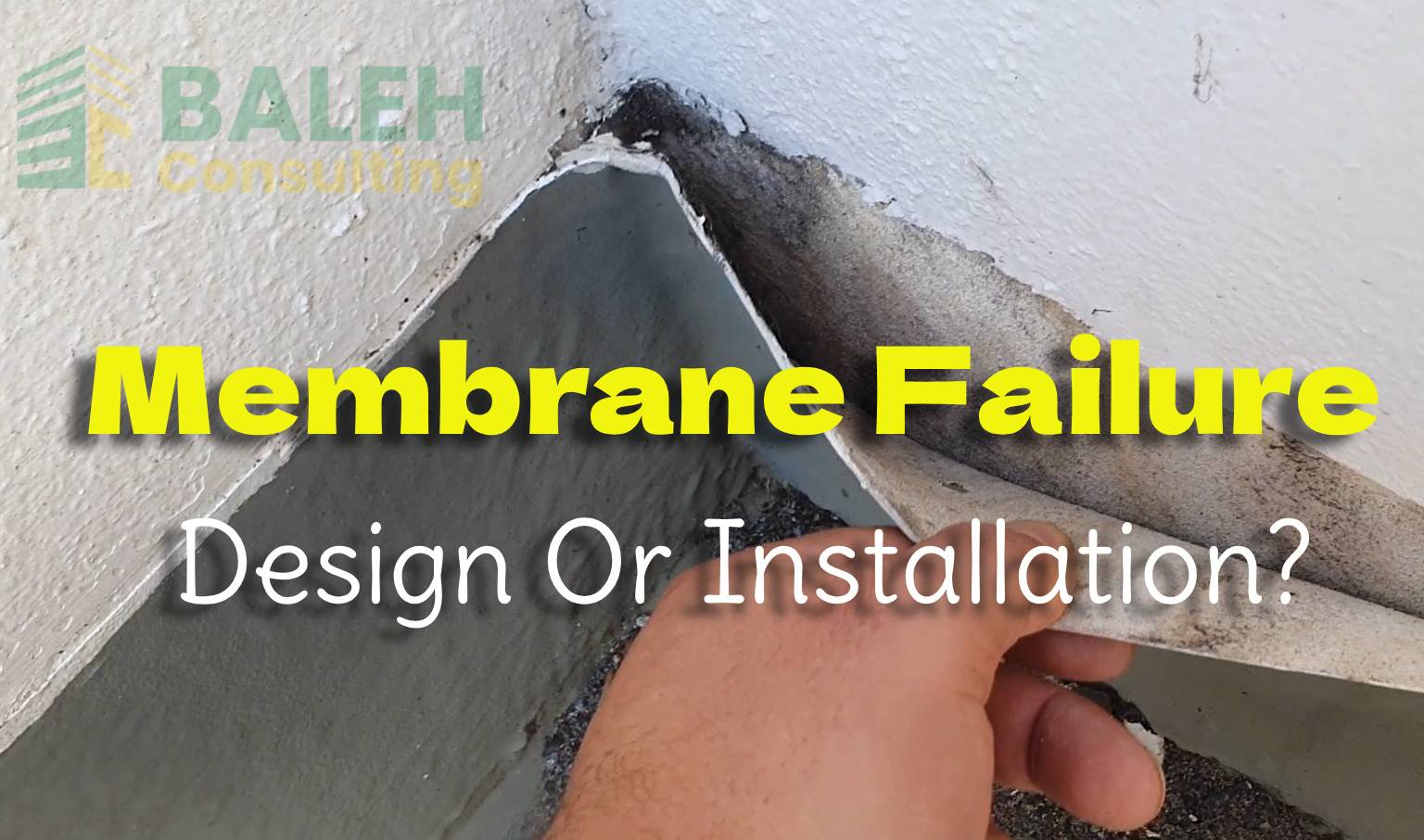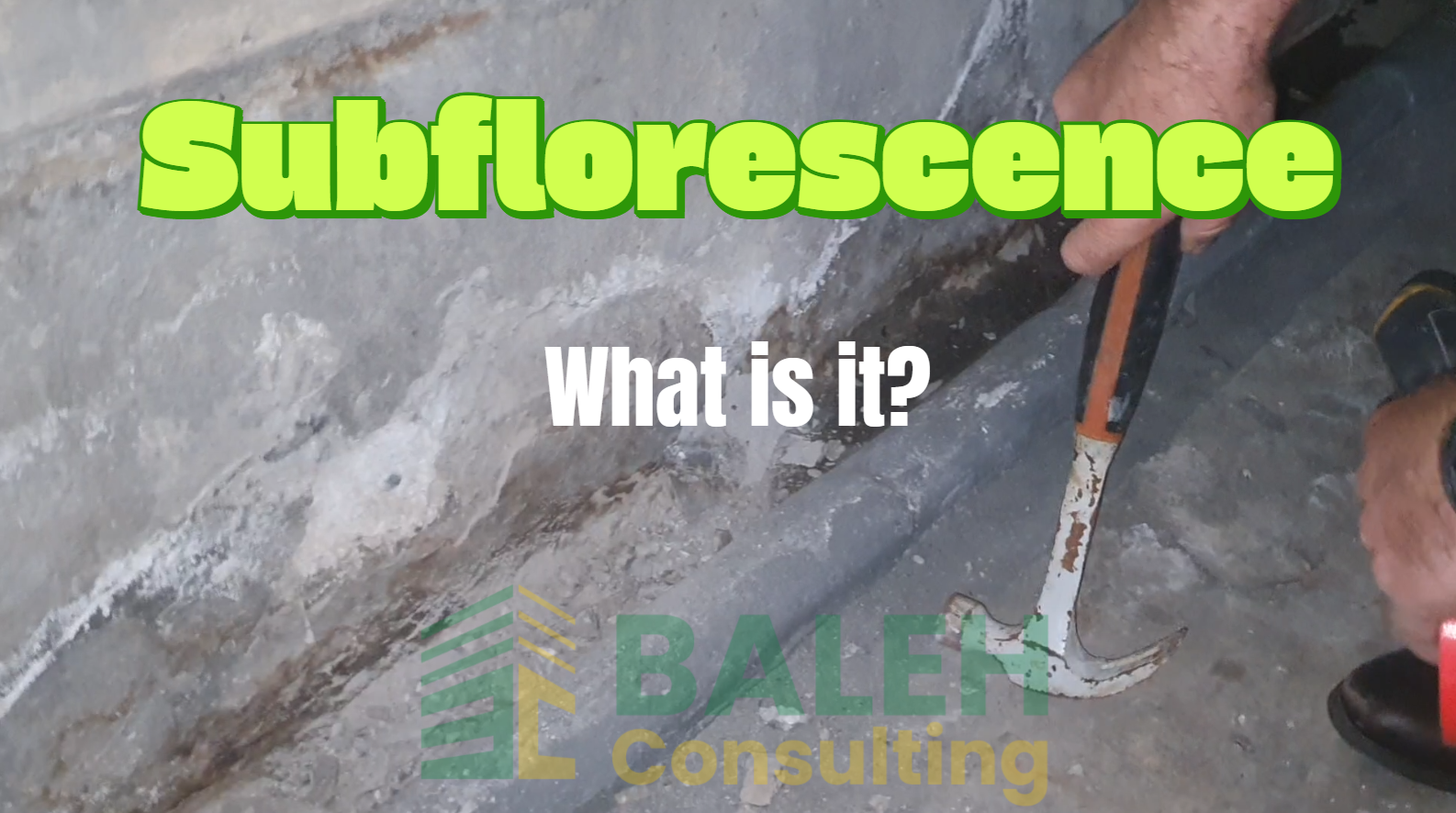



A behind-the-scenes look at a hold point inspection of a cavity drain membrane (CDM) installation within a significant 180-year-old heritage building in Sydney. Verifying critical installation details is essential to achieving reliable below-ground waterproofing performance while respecting the constraints of historic structures.
Frequently Asked Questions
1. What is a cavity drain membrane?
A cavity drain membrane is a profiled membrane designed to manage water ingress by directing collected water into a designated drainage system.
2. Why is inspection important before the membrane is concealed?
It enables critical installation details, junctions and drainage provisions to be inspected and verified while they remain accessible.
3. Are cavity drain membranes suitable for heritage buildings?
Yes. Cavity drain membrane systems are used in heritage buildings to manage water ingress while accommodating existing construction and heritage constraints. Their design must address the building conditions, water ingress mechanisms and drainage requirements.
4. Are cavity drain membrane systems suitable for all basements?
No. The selection of a suitable system depends on the source and volume of water, ground conditions, existing construction, drainage arrangements and intended use of the space. The waterproofing design must address the specific conditions and performance requirements of each project.
5. Does Baleh Consulting have experience in designing cavity drain membrane (CDM) systems?
Yes. Baleh Consulting has experience and expertise in below-ground waterproofing, including the design and specification of cavity drain membrane (CDM) systems, alongside many other waterproofing and water management solutions. Each solution is selected and designed to suit the project’s specific conditions, performance requirements and applicable NCC 2025 provisions.